
 Book an Inspection
为什么厕所重新做防水后,需要进行试水(Ponding Test)?
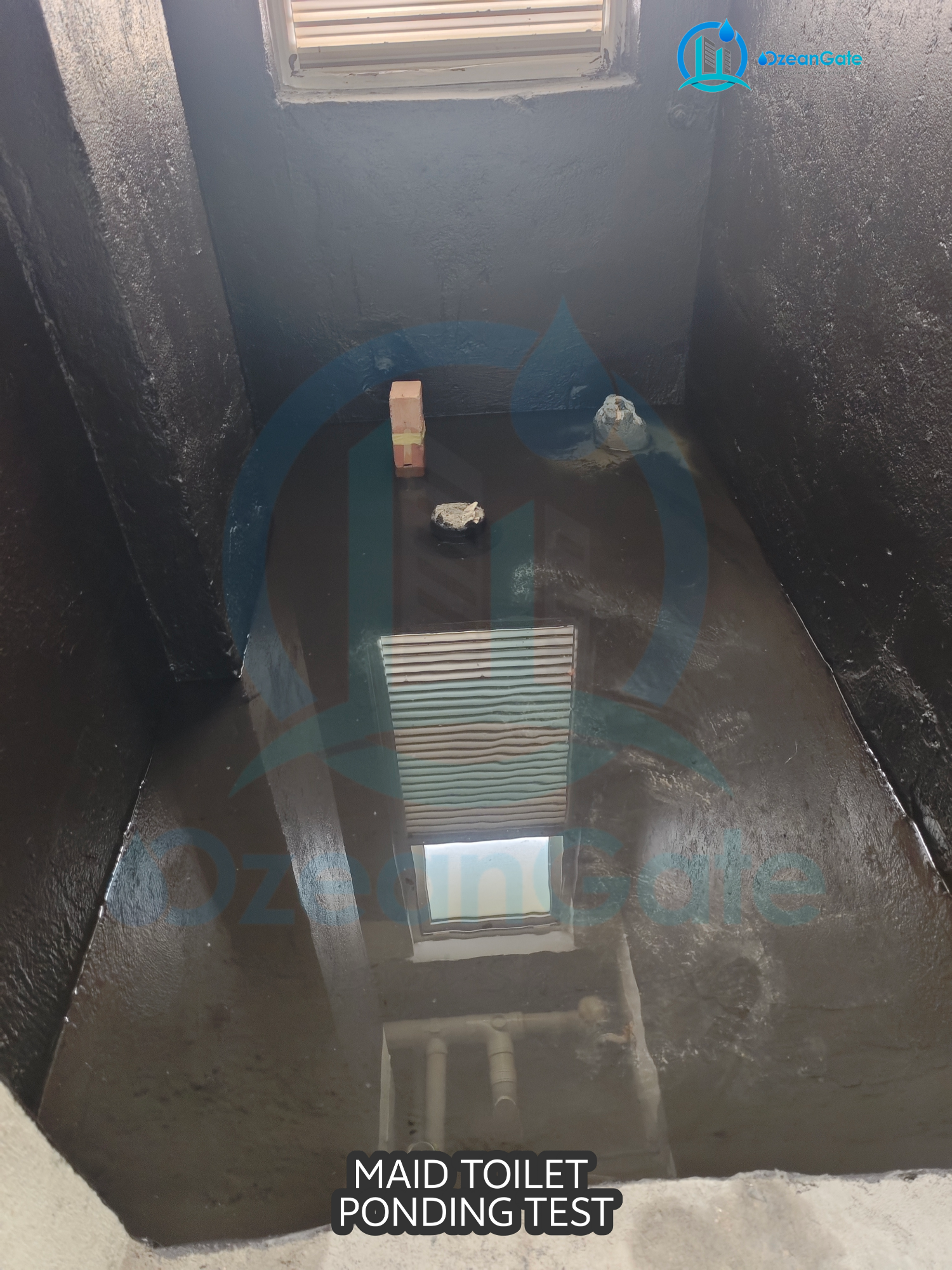
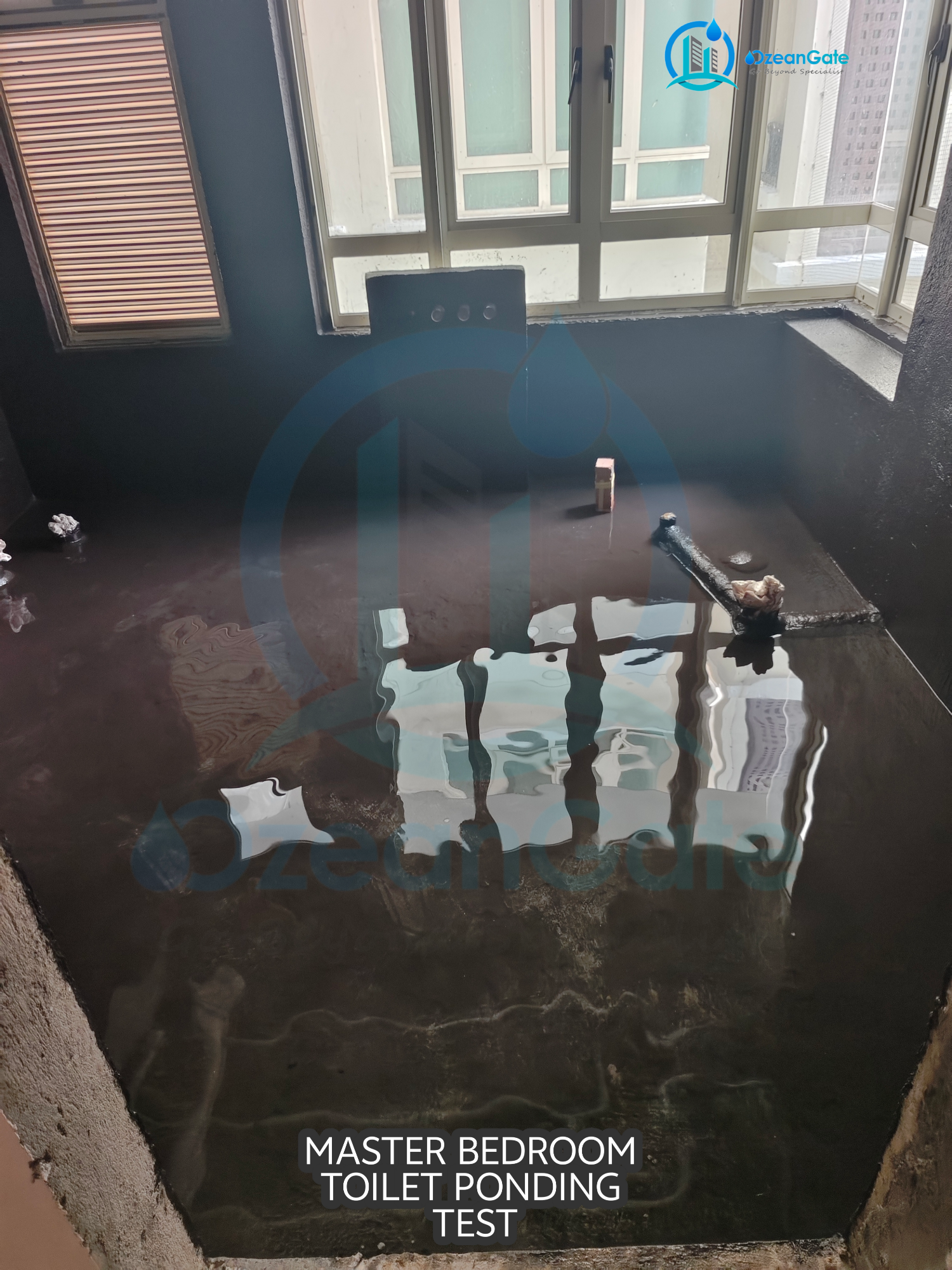
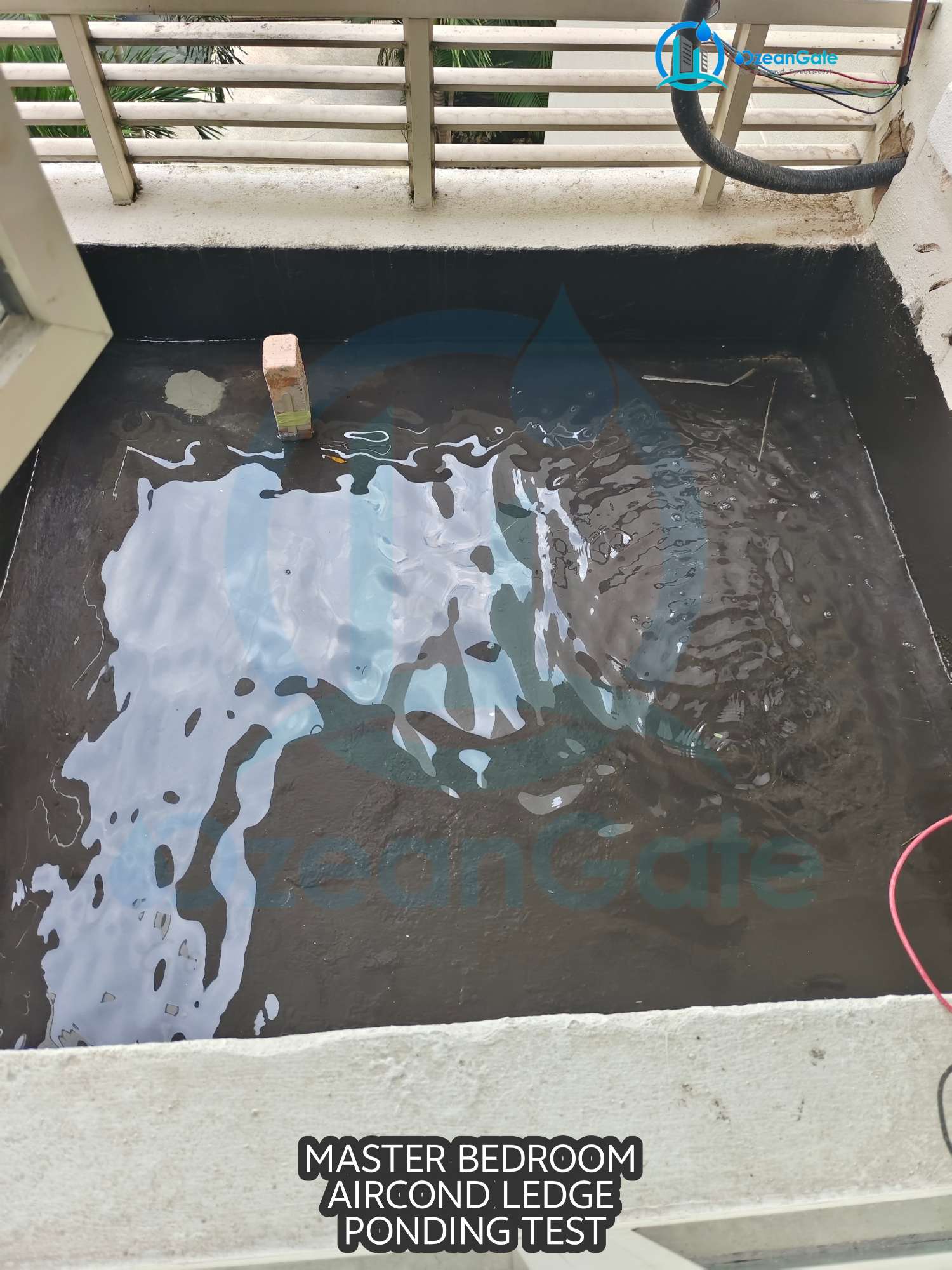
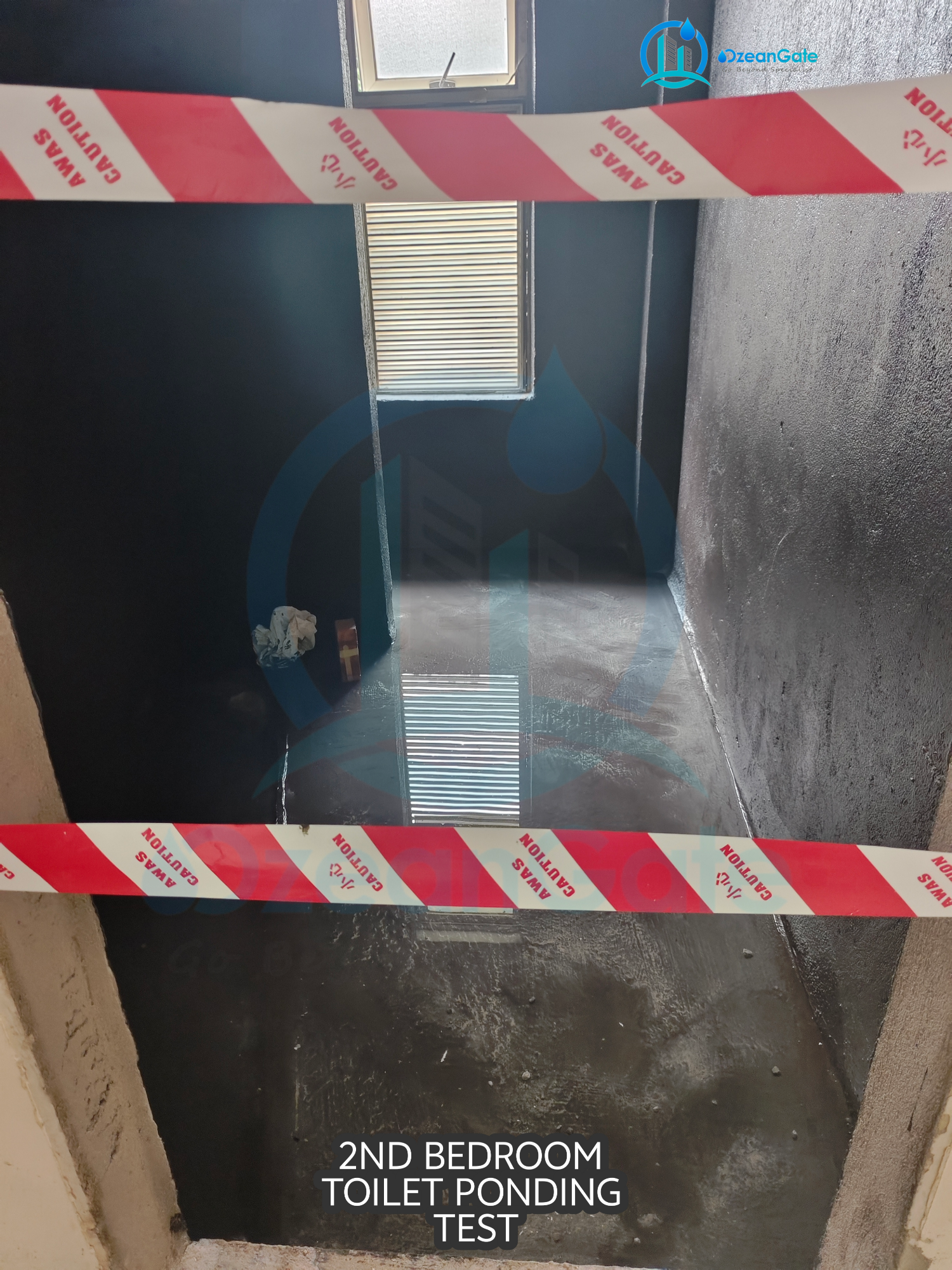
厕所重新做防水后,进行 Ponding Test(蓄水测试 / 试水测试) 是非常重要的标准施工程序。它的主要目的,是确认新的防水层是否真正有效,避免日后再次发生漏水问题。
什么是 Ponding Test(试水测试)?
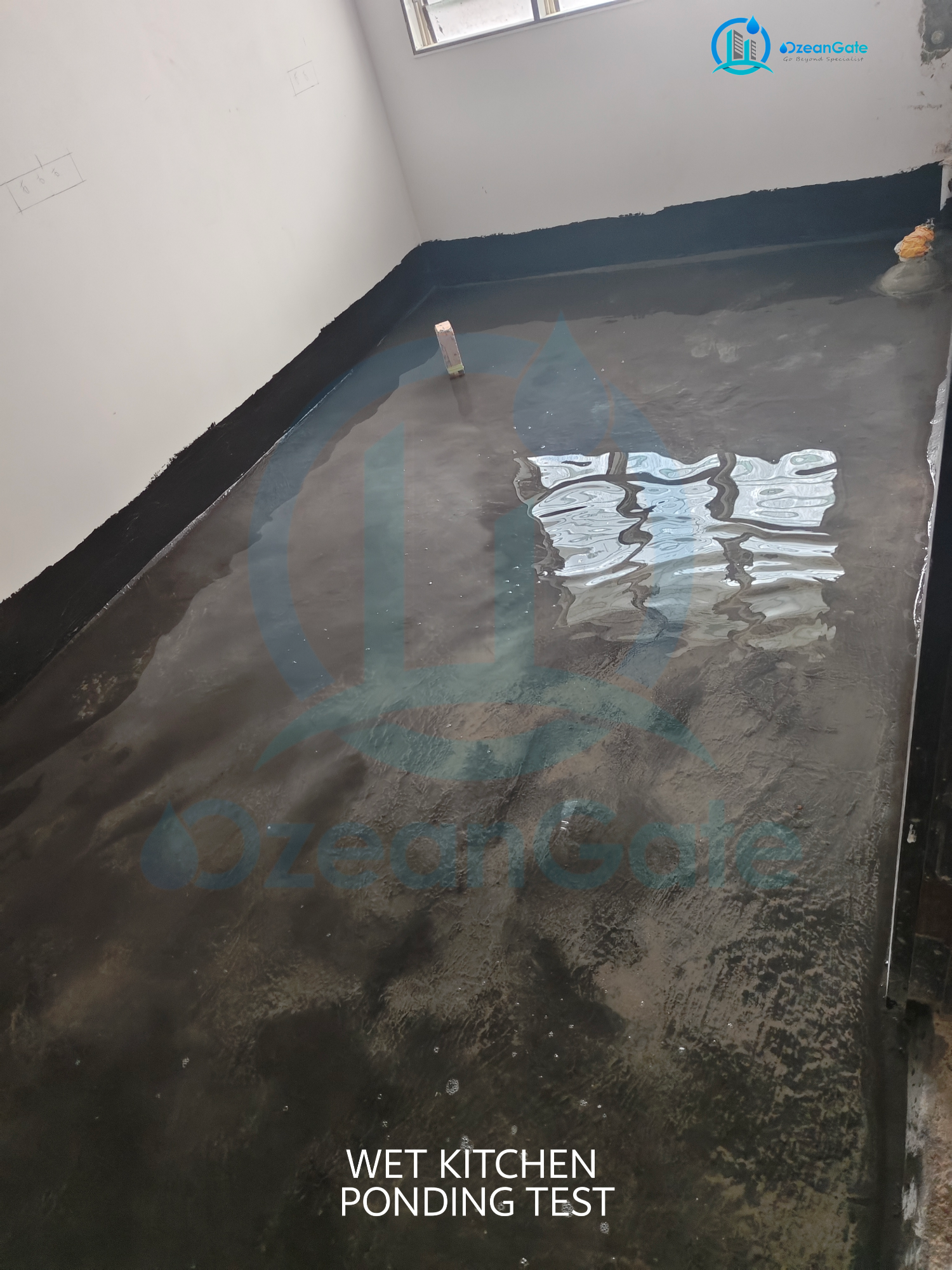
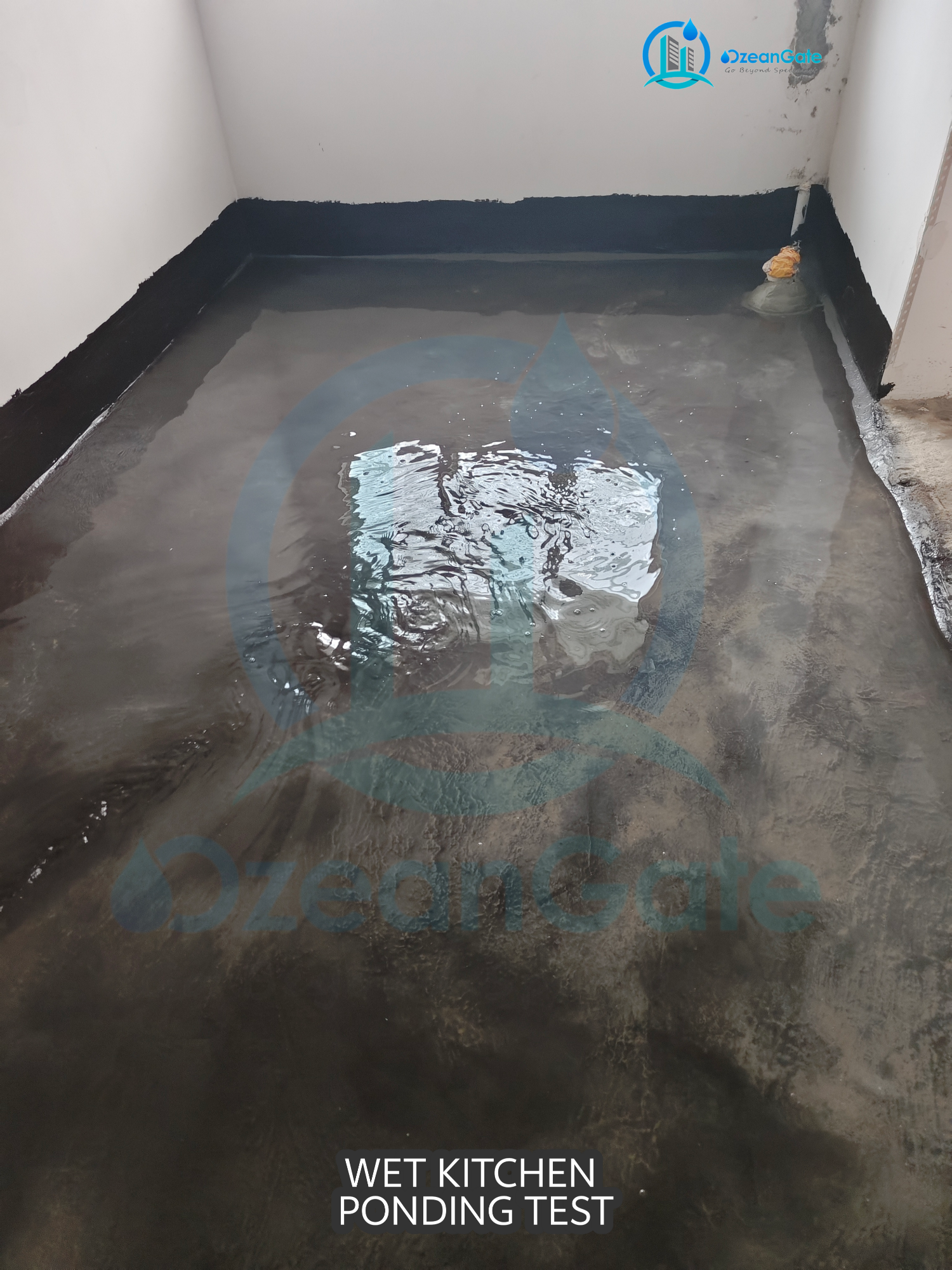
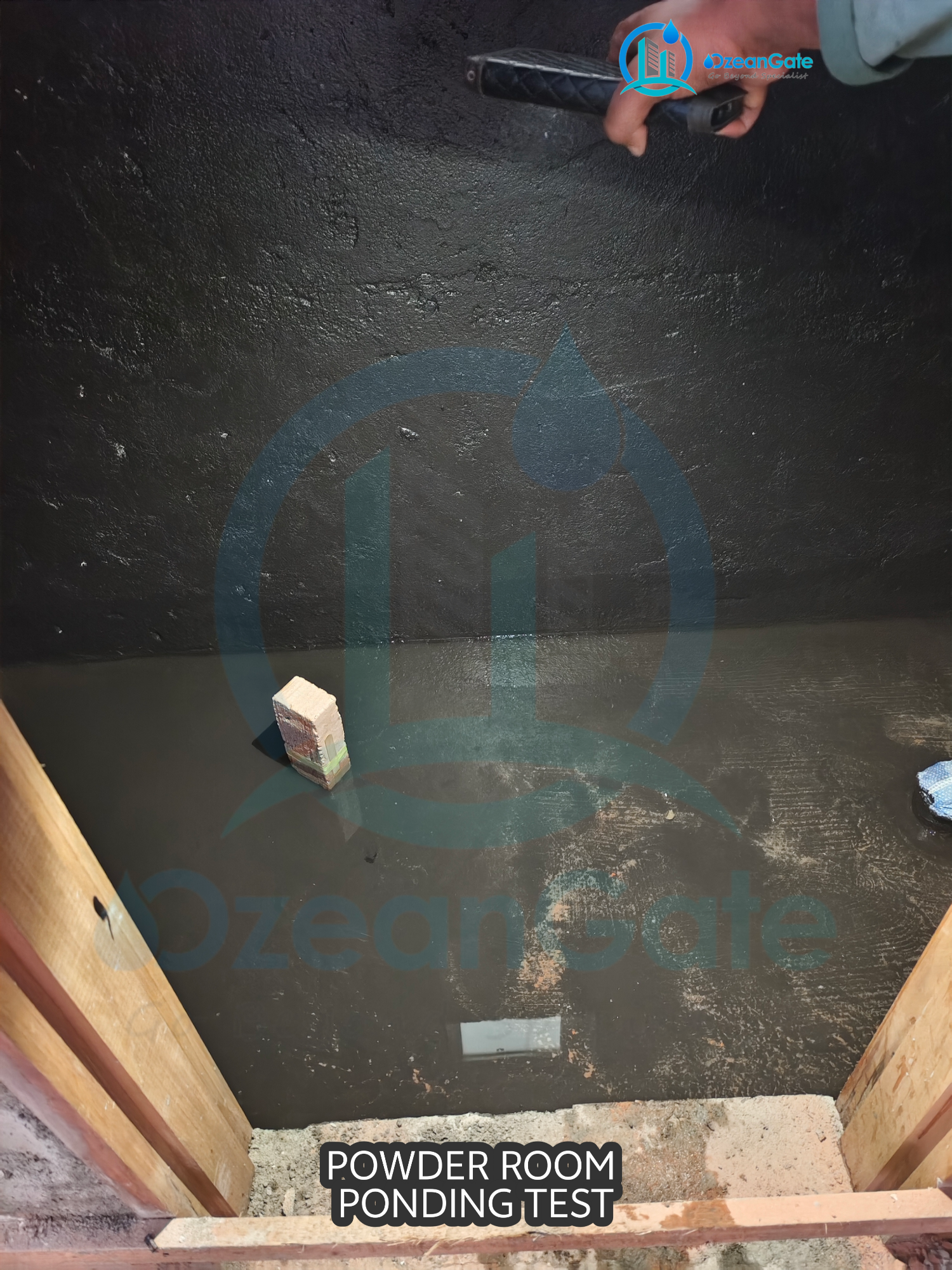
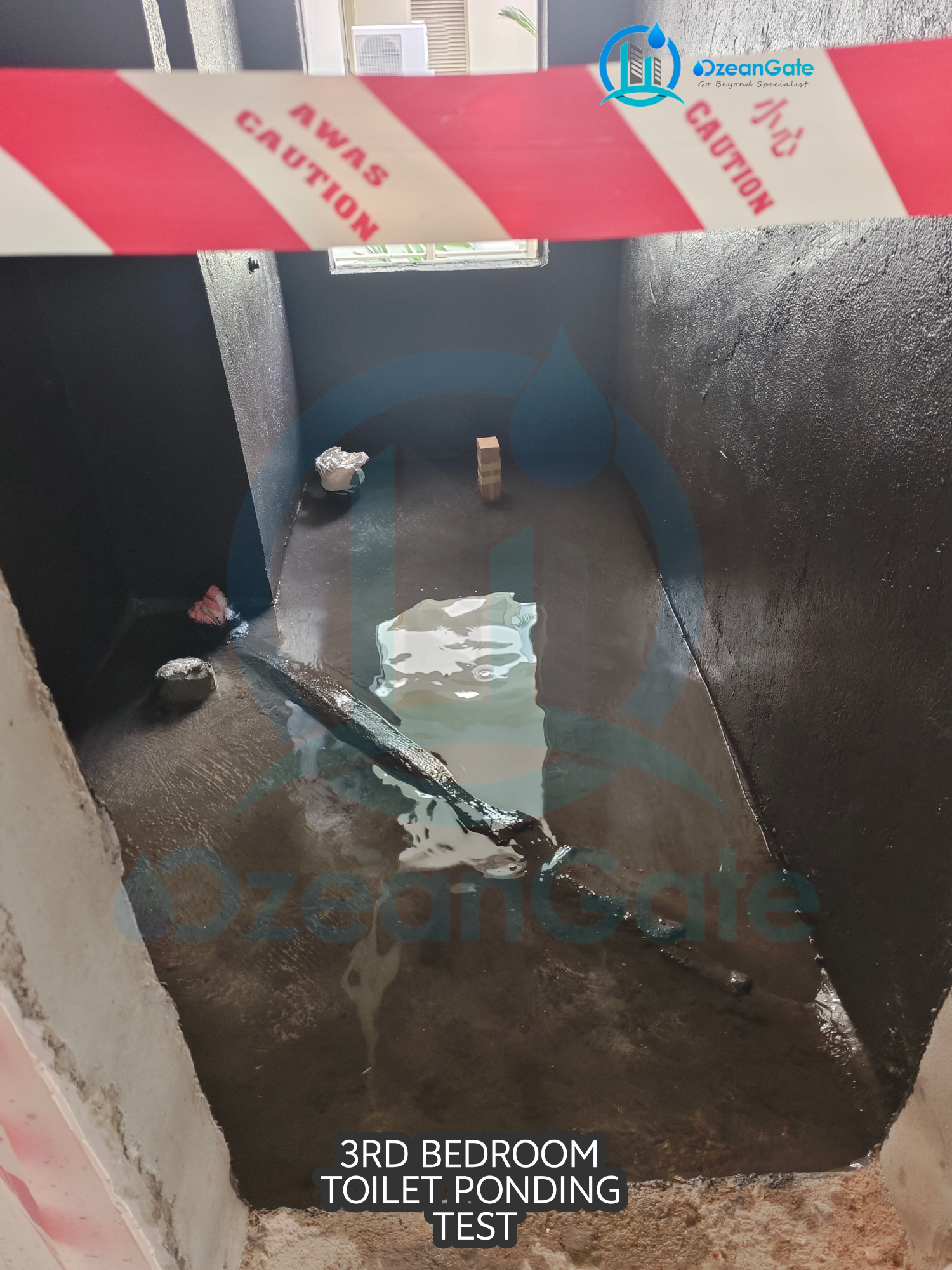
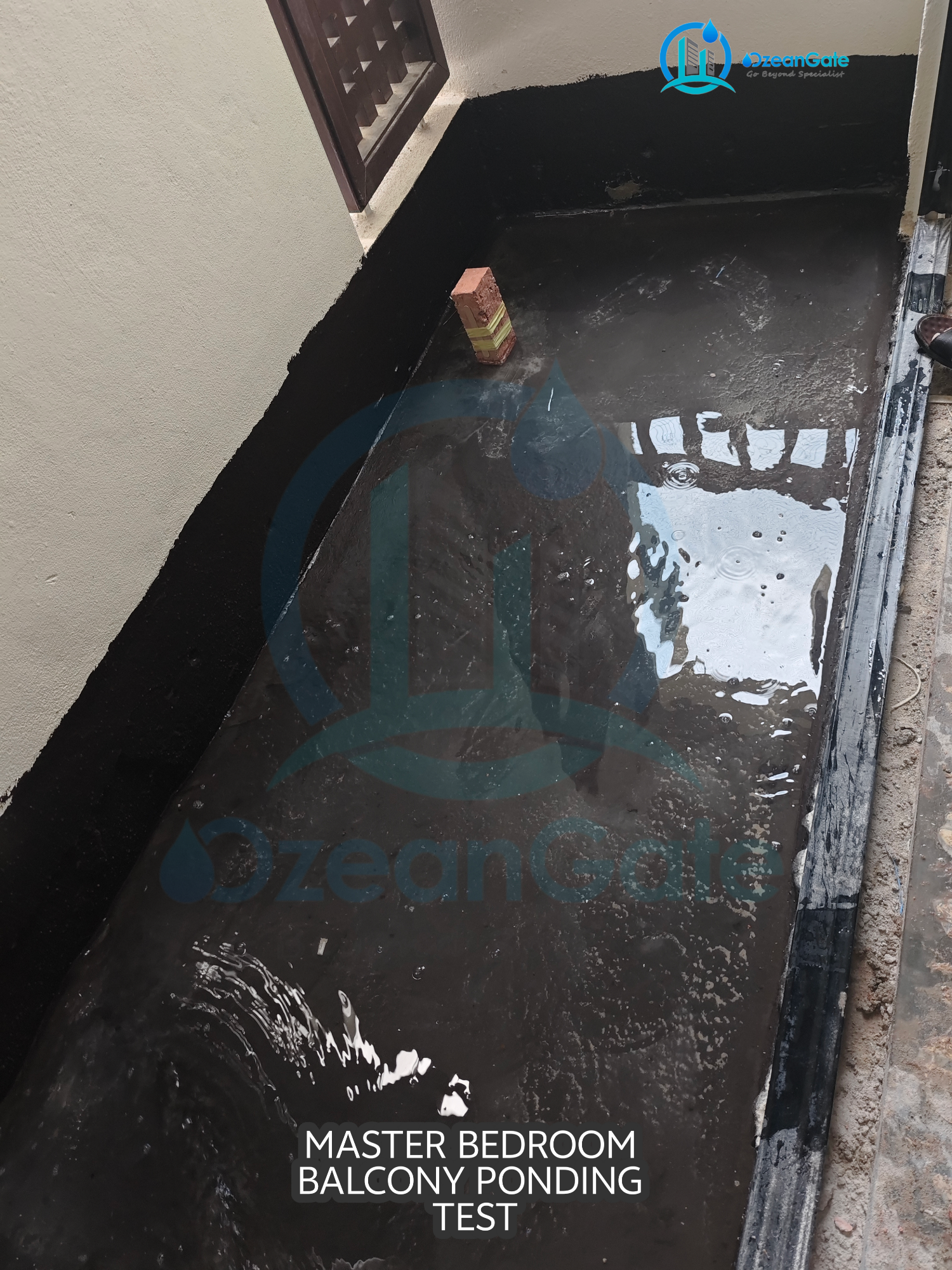
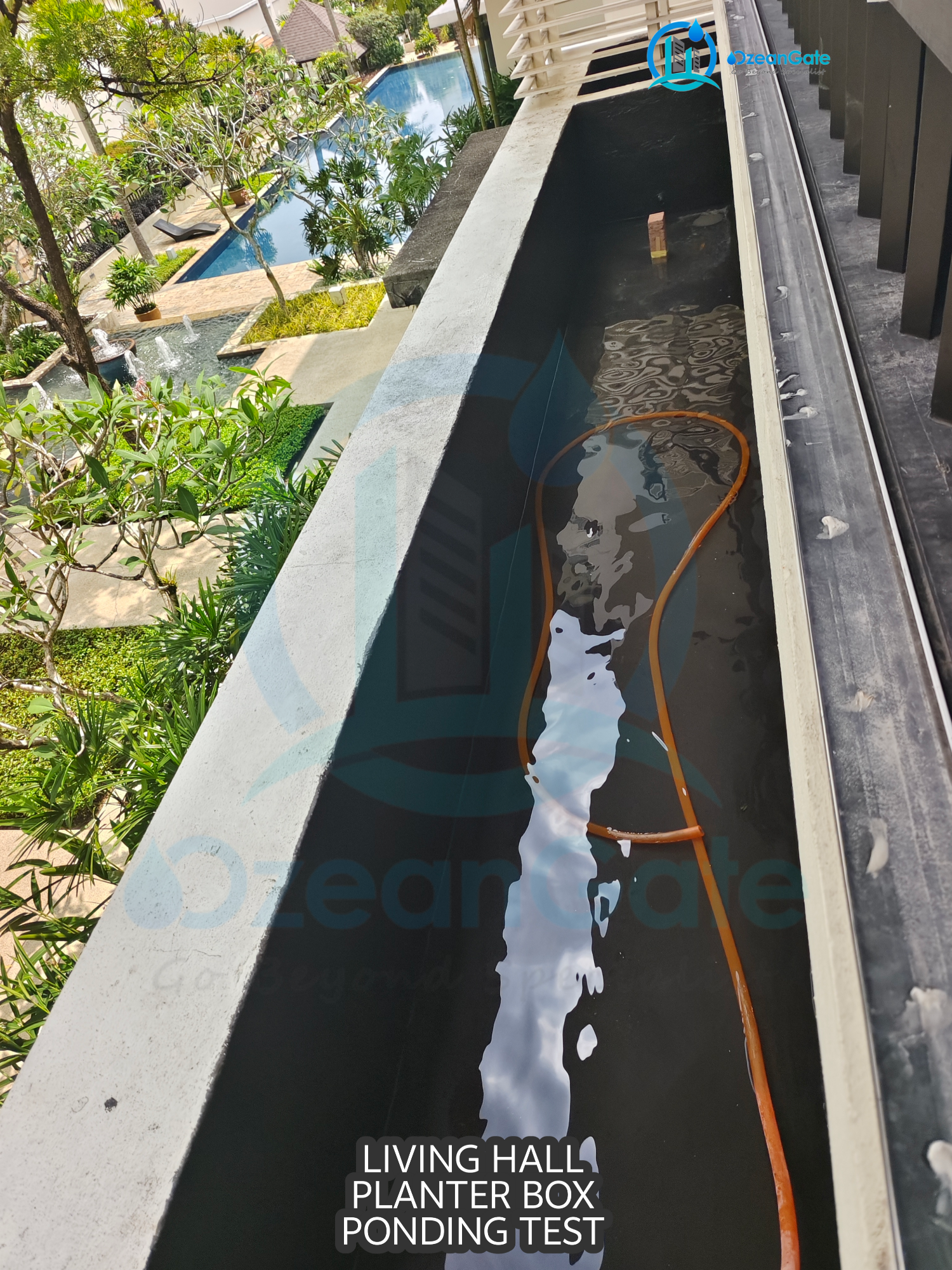
Ponding Test 是在防水工程完成后,把厕所排水口暂时封住,然后在地面蓄水一段时间(通常24小时至72小时),观察是否有漏水情况。
简单来说:
👉 “模拟厕所长期积水的真实环境,测试防水层是否真正防漏。”
为什么厕所做完防水后一定要试水?
1. 确认防水层有没有漏洞
即使已经完成防水施工,也不能100%单靠肉眼判断是否成功。
因为以下情况都有可能导致漏水:
防水层局部太薄
墙角接缝没有处理好
地台裂缝没有完全覆盖
水管周围有细小空隙
防水材料施工不均匀
防水层施工时产生气泡或断层
这些问题很多时候:
❌ 肉眼看不出来
❌ 但长期积水后会开始渗漏
所以必须通过试水测试来验证。
2. 提前发现问题,避免日后巨大损失
如果没有做 Ponding Test:
当瓷砖铺好后才发现漏水,后果会非常严重。
可能导致:
楼下天花板漏水
墙壁发霉
油漆起泡脱落
木制家具受损
地板膨胀
电线受潮
邻居投诉
需要重新拆砖重做
到时候维修成本会比现在高很多。
所以 Ponding Test 的意义是:
✅ “在还没铺砖前,提前确认防水没问题。”
3. 确认地台与墙角连接处是否安全
厕所最容易漏水的位置通常是:
地台与墙角交接处
Floor trap 排水口周围
水管根部
Shower area
这些位置长期接触积水,是高风险区域。
Ponding Test 可以帮助确认:
✅ 防水层是否完整包覆这些关键位置
✅ 是否真正达到防渗漏效果
4. 检查排水坡度是否正常
试水时也可以观察:
水流是否顺畅
是否有积水问题
地台坡度是否正确
如果坡度错误:
❌ 水会长期积在某个位置
❌ 久而久之容易导致渗漏、发霉和瓷砖损坏
5. 这是专业防水工程的重要标准
正规的防水施工流程一般包括:
基层处理
防水施工
防水干固
Ponding Test(试水)
确认无漏水
才进行贴砖工程
如果没有做试水测试:
⚠️ 风险会非常高
⚠️ 很难保证防水长期有效
Ponding Test 一般需要多久?
通常:
最少:24小时
专业标准:48小时
更严格测试:72小时
测试期间:
✅ 需要保持蓄水状态
✅ 观察楼下是否出现漏水
✅ 检查墙面是否潮湿
✅ 检查水位是否异常下降
总结
厕所重新做防水后进行 Ponding Test,是为了:
✅ 确认防水层真正有效
✅ 提前发现隐藏漏水问题
✅ 避免未来重新拆砖维修
✅ 检查关键接缝位置
✅ 确保整体施工质量达到标准
Why Is a Ponding Test Necessary After Redoing Toilet Waterproofing?
After completing toilet waterproofing works, conducting a Ponding Test (Flood Test / Water Retention Test) is an essential and professional procedure. The main purpose is to ensure that the new waterproofing system is fully effective before tiling or handover.
What Is a Ponding Test?
A Ponding Test is performed by temporarily blocking the floor trap or drainage outlet and allowing water to remain on the toilet floor for a certain period, usually between 24 to 72 hours.
In simple terms:
👉 “It simulates real long-term water exposure to verify whether the waterproofing system is truly leak-proof.”
Why Is a Ponding Test Important?
1. To Verify That the Waterproofing Layer Has No Leakage
Even after waterproofing application is completed, visual inspection alone cannot guarantee that the system is fully waterproof.
Leakage may still occur due to:
Uneven waterproof coating thickness
Weak corner joint treatment
Uncovered hairline cracks
Gaps around pipe penetrations
Improper application method
Air bubbles or membrane separation
Many of these defects:
❌ Cannot be seen visually
❌ Only appear after prolonged water exposure
Therefore, a Ponding Test is necessary to confirm the waterproofing performance.
2. To Prevent Major Future Repair Costs
Without a Ponding Test, hidden leakage may only be discovered after tiles are installed.
This can lead to:
Ceiling leakage to lower floor
Wall dampness and mold growth
Peeling paint
Damaged wooden cabinets or flooring
Swollen flooring materials
Electrical moisture issues
Complaints from neighbors
Costly hacking and rework
The purpose of the test is:
✅ “To identify waterproofing failure early before tile installation.”
3. To Check Critical Leakage-Prone Areas
The most common leakage points in toilets are:
Floor-to-wall joints
Floor trap surroundings
Pipe penetrations
Shower areas
These are high-risk zones exposed to continuous water contact.
A Ponding Test helps verify that:
✅ The waterproofing system fully seals these critical areas
✅ The system performs effectively under actual water retention conditions
4. To Inspect Floor Slope and Drainage Performance
During the test, contractors can also check:
Water flow condition
Water ponding issues
Correct floor gradient toward floor trap
Improper slope may cause:
❌ Water stagnation
❌ Long-term dampness and leakage risks
❌ Mold growth and tile damage
5. It Is a Professional Waterproofing Standard Procedure
A proper waterproofing process usually includes:
Surface preparation
Waterproofing application
Curing process
Ponding Test
Leakage inspection
Tile installation
Without conducting a Ponding Test:
⚠️ The waterproofing quality cannot be fully verified
⚠️ Long-term leakage risks remain high
How Long Should the Ponding Test Be Conducted?
Common testing duration:
Minimum: 24 hours
Professional standard: 48 hours
More stringent testing: 72 hours
During the test:
✅ Water level should remain stable
✅ Lower floor ceiling should be inspected
✅ Walls should be checked for dampness
✅ Water level drop should be monitored
Conclusion
A Ponding Test after toilet waterproofing is important to:
✅ Confirm waterproofing effectiveness
✅ Detect hidden leakage issues early
✅ Prevent costly future repairs
✅ Verify critical joint and drainage areas
✅ Ensure overall workmanship quality
In simple words:
👉 “Waterproofing is not considered successful immediately after application — it is only proven effective after passing the Ponding Test.”
简单来说:
👉 “防水不是涂了就算成功,真正通过试水测试,才算完成有效的防水工程。”
📲 立即联系 | Contact Us Now
不要等漏水变严重,维修成本只会越来越高!
Don’t wait until the damage gets worse — repair early and save cost!
👉 PM我们 / WhatsApp我们 预约现场检测
👉 Book your site inspection today!
Serving Klang Valley, Selangor Kuala Lumpur Johor Bharu &Melaka
📍 服务范围涵盖雪兰莪、吉隆坡、新山 以及马六甲。
📞 WhatsApp :📲 018-317 4688
🌐 Facebook:📘 OzeanGate Malaysia
📸 Instagram:📷 myozeangate
🖥️ Website: 🌍 OzeanGate Waterproofing Specialist
🌍 Google : 🌐 OzeanGate
#waterproofingbumbung
#waterproofingspecialist
#leaksexpert
#roof
#roofleaking
#bumbungbocor
#bocor
#bumbung
#waterproofing
#leaking
#防漏
#防水
#屋頂漏水
#torchonmembrane
#抓漏
#防水专业
#防水专家
#Klangvalley
#selangor
#Kualalumpur
#melaka
#epoxycoating
#bangsar